Episode 2.1 · 30 min
How the Solar System Was Made
From a collapsing cloud to a young Sun and a disk of forming planets, with meteorites preserving the chronology of the Solar System’s birth.
Watch this film on YouTube ↗Visual credits
16 sourcesSources and credits for imagery used in this film, including material incorporated into explanatory animations.
Allende meteorite, carbonaceous chondrite (14787764392)
James St. John
View original source ↗Source licence: CC BY 2.0Allende meteorite (52803099125)
Steve Jurvetson
View original source ↗Source licence: CC BY 2.0Allende
Smithsonian Institution
image
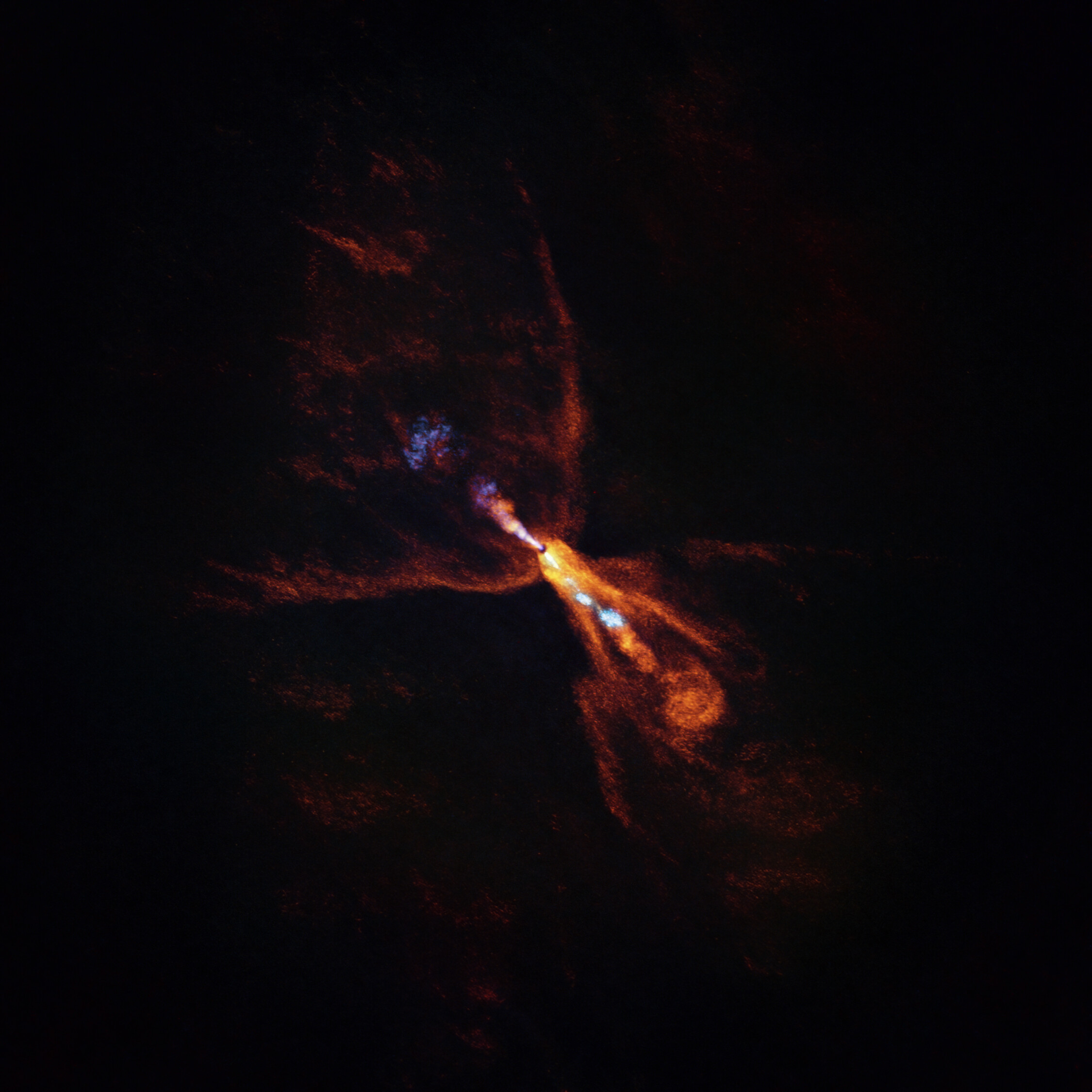
ESO
image
ESO
Zooming in on the location of HL Tauri (eso1436b)
ALMA (ESO/NAOJ/NRAO), NASA, ESA, N. Risinger; distributed by ESO
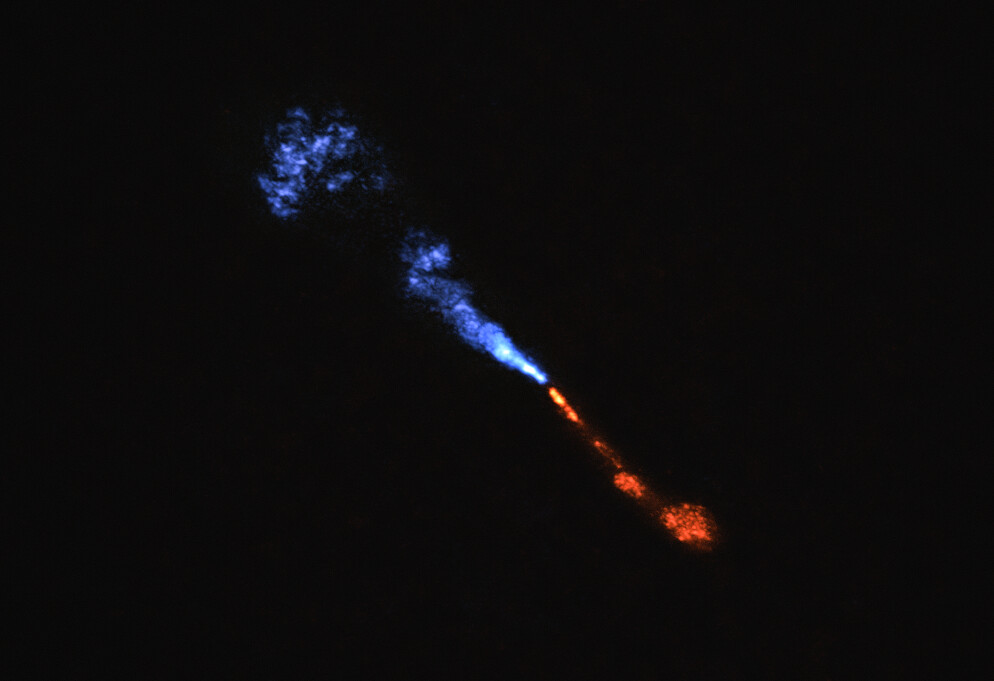
image
ESO
Lunar Receiving Laboratory gas-analysis room, January 1969 (S69-16917)
NASA
Murchison meteorite
Art Bromage
View original source ↗Source licence: CC BY-SA 2.0Scientific figure · source page 26
Connelly et al., Science
Incorporated into an explanatory animation; presentation may include cropping, labels and overlays.
Presolar silicon carbide grain from the Murchison meteorite
Max Planck Society
Incorporated into an explanatory animation; presentation may include cropping, labels and overlays.
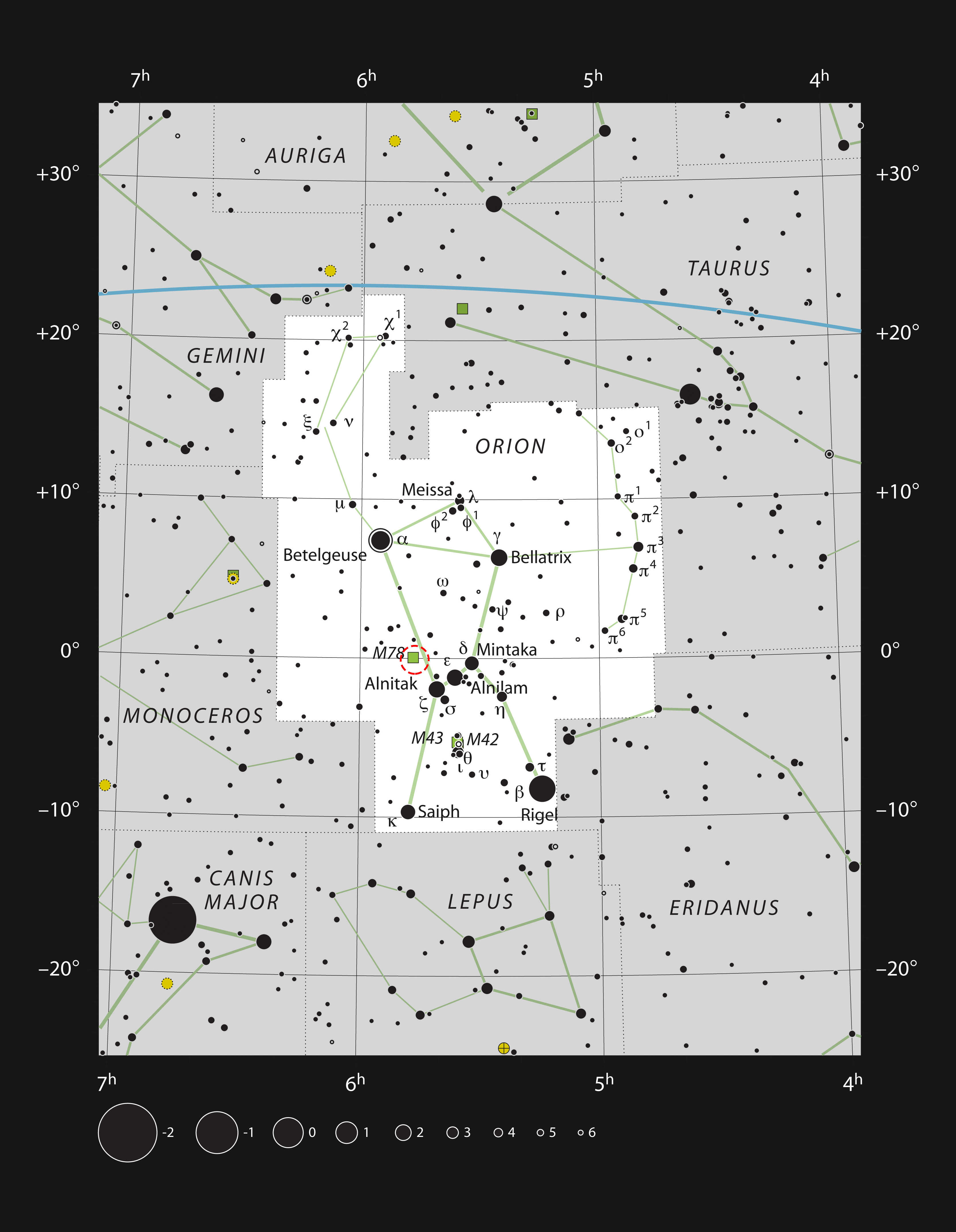
image
ESO
UltimaThule CA06 color 20190516
NASA/Johns Hopkins University Applied Physics Laboratory/Southwest Research Institute/Roman Tkachenko.
View original source ↗Source licence: Public domainpress releases image
Almaobservatory
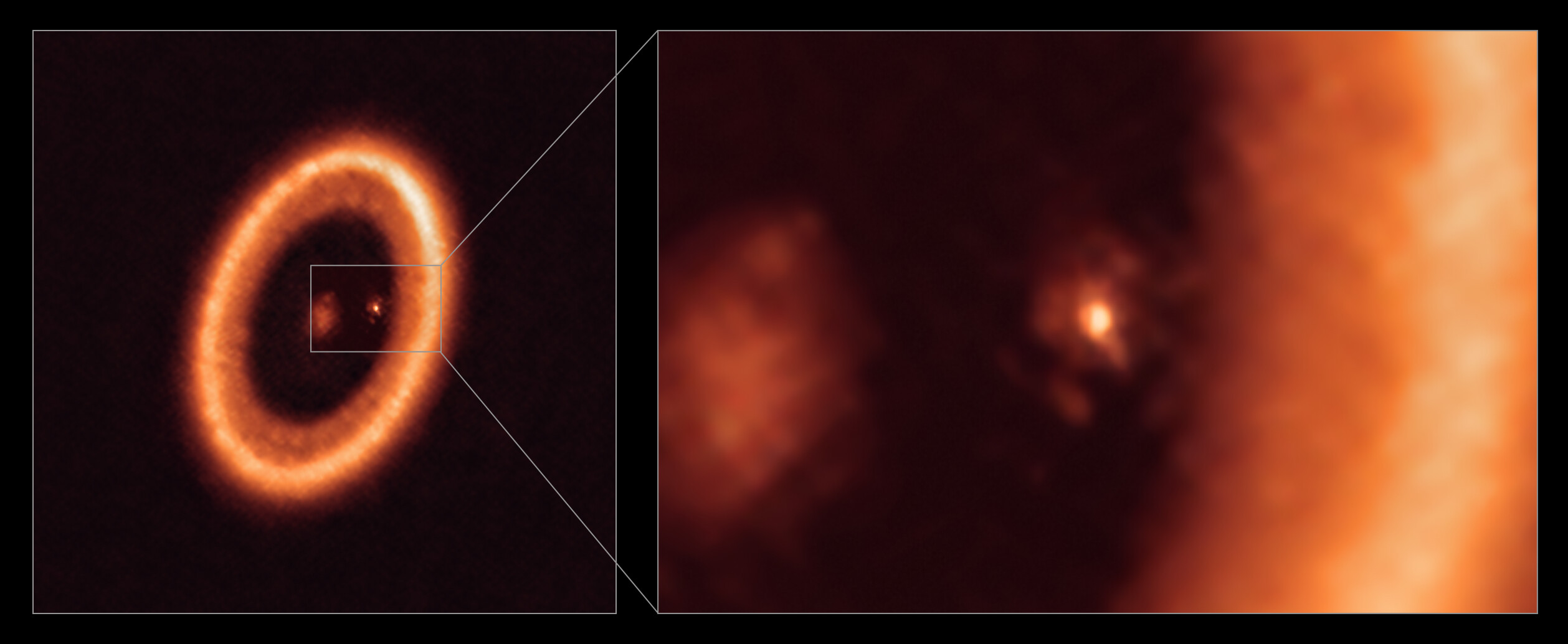
image
ESO
image
ESO





Research references
Selected sources from the episode’s research and scientific figures.
- https://www.si.edu/object/allende%3Anmnhmineralsciences_1041071 ↗
- https://repository.si.edu/bitstream/handle/10088/815/SCES-0025.pdf ↗
- https://www.science.org/doi/10.1126/science.1226919 ↗
- https://www.eso.org/public/news/eso2512/ ↗
- https://www.eso.org/public/news/eso1436/ ↗
- https://www.almaobservatory.org/en/press-releases/exoalma-survey-reveals-incredible-images-of-structures-in-protoplanetary-disks/ ↗
- https://www.eso.org/public/news/eso2111/ ↗
- https://www.eso.org/public/news/eso2604/ ↗
- https://exoplanet.ipac.caltech.edu/ ↗
- https://www.sciencedirect.com/science/article/pii/S0016703716306226 ↗
- https://www.nature.com/articles/ngeo941 ↗
- https://academic.oup.com/nsr/article/12/9/nwaf281/8196576 ↗
- https://www.sciencedirect.com/science/article/pii/S0016703709003287 ↗
- https://pmc.ncbi.nlm.nih.gov/articles/PMC6739091/ ↗
- https://www.nature.com/articles/s41586-025-09163-z ↗
- https://doi.org/10.5281/zenodo.15556630 ↗
- https://public.nrao.edu/news/exoalma/ ↗
- https://www.eso.org/public/archives/releases/sciencepapers/eso2111/eso2111a.pdf ↗
- https://pmc.ncbi.nlm.nih.gov/articles/PMC5414277/ ↗
- https://academic.oup.com/mnras/article/541/4/4025/8211812 ↗
- https://link.springer.com/article/10.1007/s11214-024-01113-x ↗
- https://pmc.ncbi.nlm.nih.gov/articles/PMC6425492/ ↗
- https://pmc.ncbi.nlm.nih.gov/articles/PMC3228481/ ↗
- https://link.springer.com/article/10.1007/s11214-016-0256-1 ↗
- https://doi.org/10.1051/0004-6361/202347716 ↗
- https://arxiv.org/abs/2305.11297 ↗
- https://arxiv.org/abs/2502.01752 ↗
- https://www.sciencedirect.com/science/article/pii/S0019103510004574 ↗
- https://www.nature.com/articles/s41586-025-08970-8 ↗
- https://www.nature.com/articles/s41586-020-2194-z ↗
- https://www.nature.com/articles/nature10201 ↗
- https://www.nature.com/articles/nature03539 ↗
- https://www.nature.com/articles/s41550-024-02340-6 ↗
- https://www.oca.eu/images/LAGRANGE/pages_perso/morby/1-s2.0-S0019103517303408-main.pdf ↗
- https://www.nature.com/articles/s41550-019-0959-9 ↗
- https://pmc.ncbi.nlm.nih.gov/articles/PMC9032962/ ↗
- https://arxiv.org/abs/2103.02393 ↗
- https://www.nasa.gov/universe/exoplanets/nasas-tally-of-planets-outside-our-solar-system-reaches-6000/ ↗
- https://authors.library.caltech.edu/records/nvqpf-cwf07 ↗
- https://pmc.ncbi.nlm.nih.gov/articles/PMC4156743/ ↗
- https://www.nature.com/articles/s41550-017-0129 ↗
- https://www.nature.com/articles/s41550-024-02342-4 ↗
- https://www.planetary.org/space-images/allende-meteorite ↗
- https://onlinelibrary.wiley.com/doi/full/10.1111/maps.13970 ↗
Music
- Meditation From The Star Orion
OctahedronMusic · Envato Elements
Footage and image usage
Credits and usage times retained from the published edition or its production credit record. Where present, times identify visual appearances, not documentary chapters. Source and licence corrections are listed in the visual credits above.
- NASA - 6:19-6:33, Lunar Receiving Laboratory gas-analysis room, January
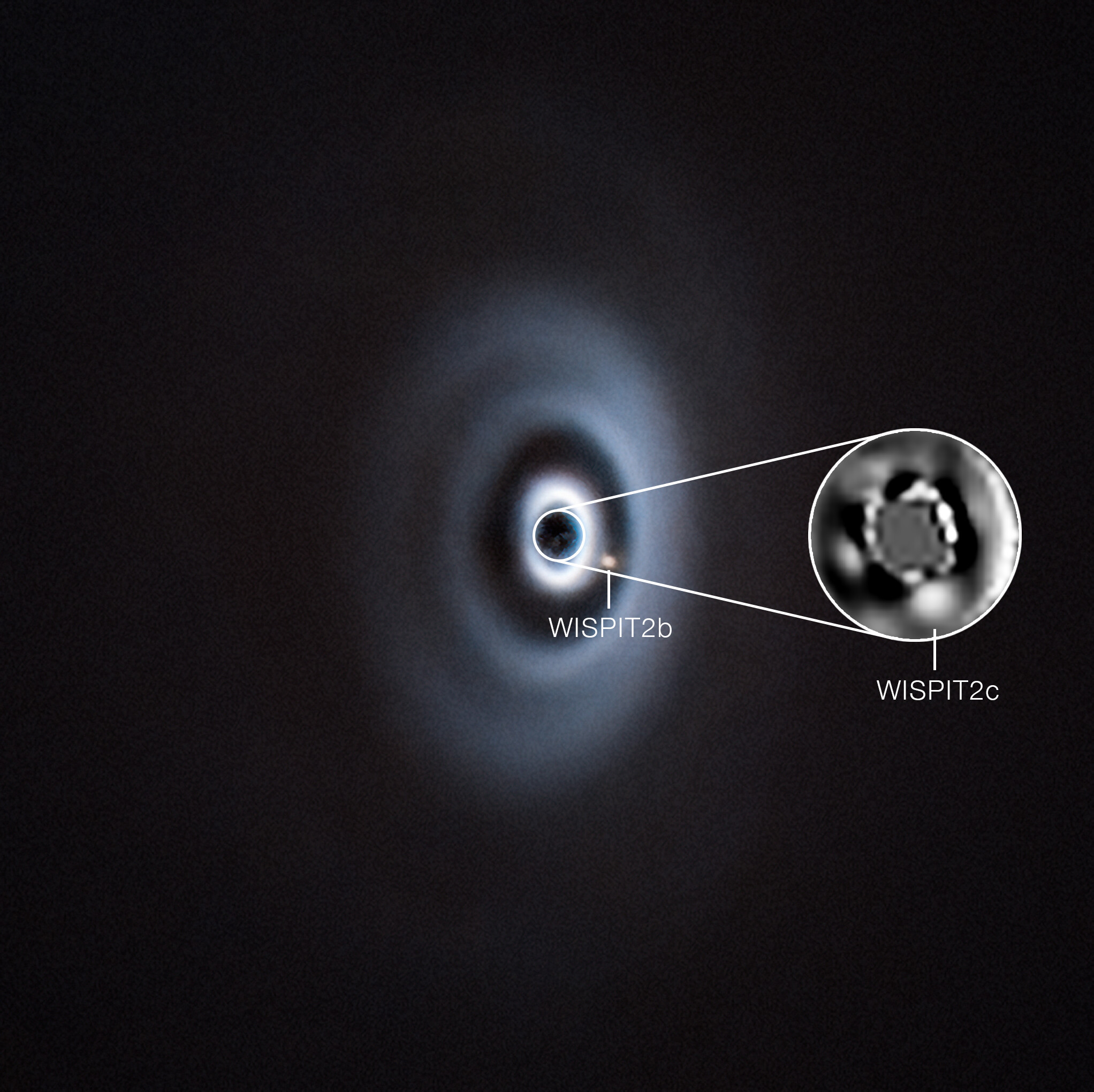
- ALMA (ESO/NAOJ/NRAO), NASA, ESA, N. Risinger; distributed by ESO - 4:28-4:45, Zooming in on the location of HL Tauri (eso1436b); source: Original source ↗
- Almaobservatory - 27:33-27:47, press releases image; 28:30-28:41, press releases image
- Art Bromage - 6:33-6:43, Murchison meteorite
- ESO - 4:45-5:13, image; 14:34-14:45, image; 14:45-14:53, image; 14:53-15:06, image; 15:21-15:30, image; 15:40-15:52, image; 27:57-28:18, image; 28:18-28:30, image
- James St. John - 0:00-0:22, Allende meteorite, carbonaceous chondrite (14787764392); 0:33-0:45, Allende meteorite, carbonaceous chondrite (14787764392); 15:30-15:40, Allende meteorite, carbonaceous chondrite (14787764392)
- NASA/Johns Hopkins University Applied Physics Laboratory/Southwest Research Institute/Roman Tkachenko. - 20:18-20:44, UltimaThule CA06 color 20190516
- Smithsonian Institution - 0:45-1:06, Allende
- Steve Jurvetson - 0:22-0:33, Allende meteorite (52803099125); 6:07-6:19, Allende meteorite (52803099125)
- Custom animations and figures: From Cosmos to Civilization. Third-party material incorporated into animations is credited on the linked sources page.
How this film was made
Created and editorially directed by Anders Lunde using a custom production system developed over six months. AI assists research, drafting, programming, and visual production; I review and edit the material and make the final editorial decisions. Narration uses text-to-speech. Visuals combine custom-built scientific animations, AI-generated reconstructions, and credited scientific imagery.
Generated reconstructions illustrate scientific interpretations. They are distinct from photographs, specimens, and measured data.
More about the creator and production →